
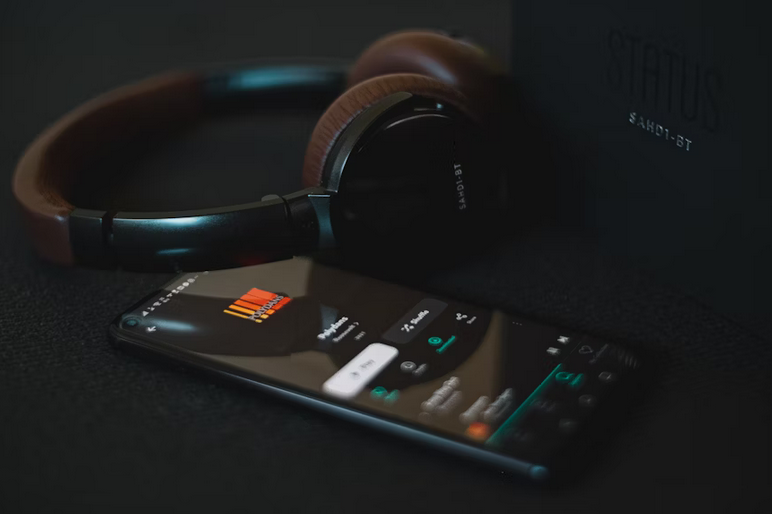
The music industry has undergone a massive transformation in the last two decades. From CDs to MP3s to streaming, how we listen to and share music has changed drastically. But while streaming platforms have made music more accessible than ever, many artists still struggle to earn a fair income. Now, blockchain technology is offering a potential solution to these long-standing issues. Could this be the next big leap in music distribution?
Changing How Artists Get Paid
One of the biggest promises of blockchain in music is fairer compensation. Right now, most of the money from streaming services goes to record labels and platforms, with only a small percentage reaching the artists. With blockchain, artists can release their music directly to fans, track every stream or download, and receive instant, transparent payments. This kind of decentralized system could drastically shift the balance of power in the industry. Some independent artists are already exploring these tools outside traditional systems, similar to how toby mac record label has operated with a focus on artist-driven business models that offer more control and fair ownership.
Clearing up a Way for Transparency in Royalties and Rights
Royalty payments have always been murky territory. Artists often don’t know exactly how much they’re owed or when they’ll be paid. Blockchain can provide a secure, unchangeable ledger that tracks every use of a song—whether it’s streamed, remixed, or played in a commercial. This kind of transparency means artists, producers, and even songwriters can see their fair share without needing to chase down labels or middlemen. Everyone in the music-making process benefits from knowing exactly where their money is coming from.
Cutting Out the Middlemen
With blockchain, smart contracts can automate many of the tasks currently handled by labels, publishers, and lawyers. These contracts are coded to execute actions automatically when certain conditions are met—for example, paying an artist every time a song is streamed. This removes the need for third parties to manage rights and payments, and significantly lowers administrative costs. It’s a cleaner, faster, and more equitable system that gives artists more independence and fans more direct access to the creators they love.
Unlocking New Ways for Fans to Support Artists

Blockchain is also opening up new opportunities for fans to get involved. Through tokenization and NFTs (non-fungible tokens), listeners can buy limited-edition music, concert access, or even ownership shares in a song. This means fans can directly invest in their favorite artists and potentially benefit from their success. It also creates a deeper connection between creators and their audience, making music more than just something you stream in the background—it becomes something you co-own and experience as part of a community.
Adopting Innovations Despite Challenges and Growing Pains
Of course, blockchain in music isn’t without its issues. The technology is still new, and adoption is slow. Many artists and listeners don’t fully understand how it works, and regulatory questions are still being sorted out. Plus, scalability is a concern—can blockchain handle billions of streams a day the way Spotify can? These are hurdles that need solving before the tech can go fully mainstream. But the potential is undeniable, and many in the industry are watching closely.
Blockchain may not replace streaming services overnight, but it’s certainly laying the groundwork for a more transparent, artist-friendly future in music. By cutting out middlemen, automating contracts, and creating direct relationships between artists and fans, this technology has the power to reshape how music is created, distributed, and monetized. If done right, streaming 2.0 could be a win-win for both creators and listeners alike.…










 With the pandemic, everyone is encouraged to stay at home. The virus can quickly spread, so we should avoid crowded places. With a large screen laptop, carrying it outdoors may not be very convenient, but during this time where we should not be going out unless necessary, having a 17-inch laptop has more benefits.
 While everybody in your household will be staying at home this pandemic, just like you, you may need some entertainment venues to drive away boredom from creeping in. Watching movies together can be an excellent way to entertain all of you. It will also be an excellent bonding activity. This may not be possible if you have a small laptop because some members of your family may not see images clearly. With a 17-inch laptop, this will not be a problem.
 Another essential feature to look out for in a good laptop is both the hard drive and the RAM. A hard disk of about 500 GB is enough for basic storage. However, if you have money, then you can consider going for a larger memory as that enhances the functionality of a laptop. Apart from the hard drive aspect you also need to look at the RAM. You need to understand that if you choose a small RAM, then your laptop will be slow and this is definitely not a desirable thing.
 Coffee machines use either fresh beans or coffee pods. The pods contain ground coffee and other mixtures that follow the manufacturer’s recipes. Nespresso Inissia, Nescafe Dolce Gusto, and Fantasia Plus are three examples of coffee machines that use pods. According to the manufacturers, their brewers guarantee a perfect cup of coffee with just the right amount of creamer, coffee, and sugar.
 Before you buy your brewer, you should pay attention to the machine’s design and match it with your kitchen’s style. You do not want your coffee machine to be an eye-striking object that catches all of the attention in the room. It creates an imbalance.
 ng industry and more is expected to come. From quick calculations, ease of payment and automation of critical processes AI gives all the difference between traditional and modern online shopping practices. Wondering how? Read on
 Computer analytics and AI have transformed the way images shared online are classified. It is now a lot easy to find pictures even if you didn’t know the exact name. This has not only improved the way marketers share or advertise using visual methods online users also get a rich experience.